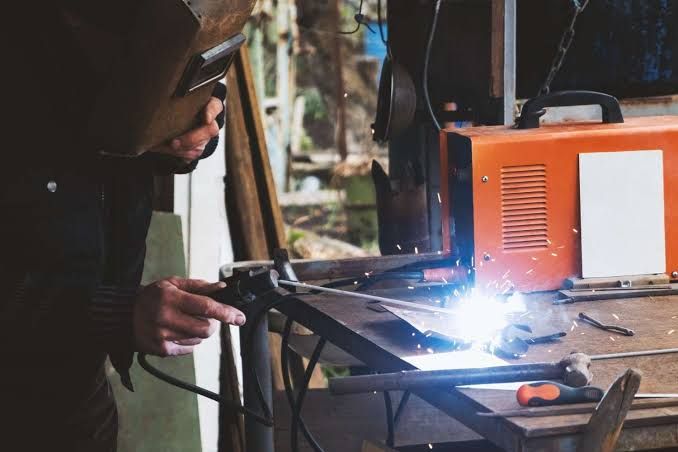
Welding machines play a central role in fabrication and construction by enabling the joining of metals and other materials to form strong, durable structures. From building steel frameworks and bridges to manufacturing machinery and pipelines, welding is a fundamental process across industries.
Introduction Welding machines play a central role in fabrication and construction by enabling the joining of metals and other materials to form strong, durable structures. From building steel frameworks and bridges to manufacturing machinery and pipelines, welding is a fundamental process across industries. A welding machine works by generating intense heat—often through an electric arc or gas flame—to melt and fuse materials together. In many cases, filler material is added to strengthen the joint, creating a bond that can be as strong as or stronger than the original materials. In modern workshops and construction sites, supporting tools such as a northern tool welding cart help improve mobility and organization, making welding operations more efficient. As construction and fabrication projects become more complex, selecting the right welding machine is essential for efficiency, safety, and quality outcomes.
Benefits and Limitations of Welding Machines
Benefits
Strong and durable joints: Welding creates permanent connections suitable for structural applications
Versatility: Can be used for different metals such as steel, aluminum, and stainless steel
Efficiency: Faster and more precise compared to traditional fastening methods
Wide application: Used in construction, automotive, shipbuilding, and manufacturing industries
Automation compatibility: Modern machines support robotic systems such as the Lincoln robotic welder for consistent and high-quality output
Limitations
Skill requirement: Some methods (like TIG welding) require high expertise
Safety risks: Exposure to heat, fumes, and electric current, which makes protective gear like blue welding gloves essential
Initial investment: Industrial-grade machines and automated systems can be expensive
Material limitations: Not all welding methods suit every material or thickness
Types of Welding Machines
There is no single welding machine suitable for all applications. Different machines are designed for specific materials, environments, and project requirements.
Common Types and Their Applications
Type | Description | Best Use Cases |
MIG (Metal Inert Gas) | Uses continuous wire electrode and shielding gas | Fabrication, automotive, construction |
TIG (Tungsten Inert Gas) | High precision welding with non-consumable electrode | Thin materials, stainless steel |
Stick (SMAW) | Uses flux-coated electrode, works well outdoors | Construction, pipelines |
Flux-Cored | Similar to MIG but works without external gas | Outdoor fabrication |
Spot Welding | Joins sheet metals using resistance | Automotive and sheet metal work |
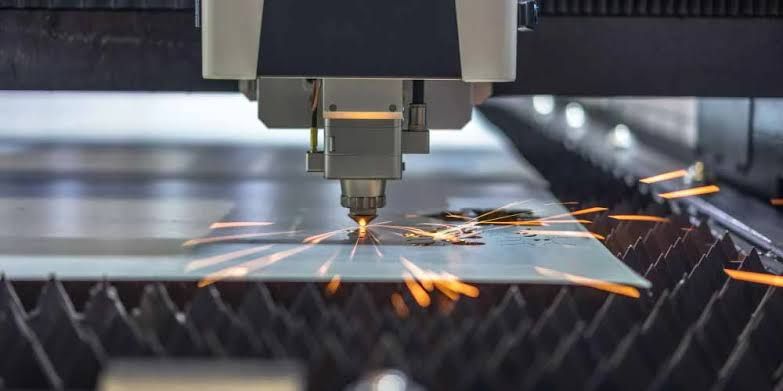
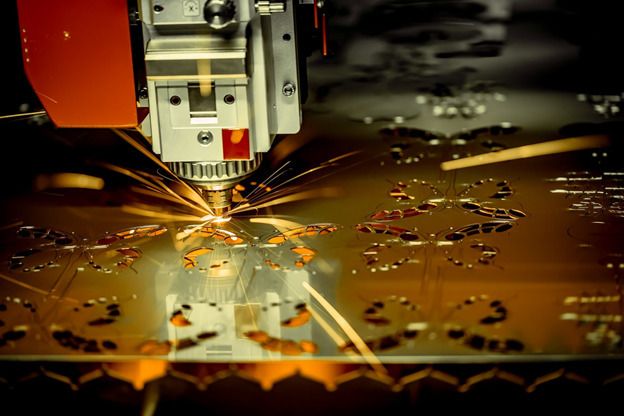
Laser Welding | High precision and automation-friendly | Advanced manufacturing |
Submerged Arc Welding | High productivity for thick materials | Heavy construction, shipbuilding |
In sheet metal applications, tools like a spot weld cutter set are often used alongside welding machines for removing or repairing weld joints efficiently.
MIG welding is widely used due to its ease of use and speed, while TIG welding is preferred for precision work. Stick welding is commonly used in outdoor construction because it is less affected by wind.
Latest Trends and Innovations
The welding industry is evolving with advancements in technology and automation:
Inverter-based welding machines: Lightweight, energy-efficient, and portable
Automation and robotics: Systems like the Lincoln robotic welder improve consistency in large-scale production
Digital controls: Enable precise adjustment of voltage and current
Automated laser welding: Increasing adoption in industries requiring speed and precision
Coherent laser welder systems: Used in advanced manufacturing for high-accuracy welding tasks
Laser welding in dentistry: A specialized application showing how welding technology is expanding beyond traditional construction and fabrication fields
Smart welding systems: Integration with IoT for monitoring and diagnostics
These innovations improve productivity, reduce energy consumption, and enhance weld quality.
Key Features to Consider
When evaluating welding machines, several technical and practical factors should be considered:
1. Power Supply
Single-phase: Suitable for small workshops
Three-phase: Required for industrial applications
2. Duty Cycle
Indicates how long a machine can operate continuously before cooling. Higher duty cycles are preferred for industrial use.
3. Material Compatibility
Material | Recommended Welding Type |
Mild Steel | MIG, Stick |
Stainless Steel | TIG, MIG |
Aluminum | TIG, MIG |
Thick Metals | Stick, Flux-Cored |
4. Portability
Portable inverter machines for on-site work
Equipment mobility can be improved using tools like a northern tool welding cart
5. Ease of Use
MIG: Beginner-friendly
TIG: Requires skill and control
Stick: Moderate difficulty
Top Companies and Solutions
Several global manufacturers are known for producing reliable welding machines:
Company | Known For |
Lincoln Electric | Industrial welding solutions and robotic systems like the Lincoln robotic welder |
Miller Electric | Advanced MIG and TIG welding systems |
ESAB | Wide range of welding and cutting equipment |
Hobart | Affordable and user-friendly machines |
Panasonic Welding Systems | Robotic and automated welding solutions |
These companies offer machines for both small-scale and industrial applications, including advanced technologies such as automated laser welding and precision-focused systems like coherent laser welder solutions.
How to Choose the Right Welding Machine
Selecting the right welding machine depends on several factors:
Checklist for Selection
Identify material type and thickness
Determine working environment (indoor/outdoor)
Evaluate power availability
Consider skill level of the operator
Assess budget and long-term usage
Check portability requirements
Ensure availability of safety gear such as blue welding gloves
Practical Decision Guide
Requirement | Recommended Machine |
Beginner use | MIG welding machine |
Outdoor construction | Stick or Flux-Cored |
Precision work | TIG welding machine |
Heavy industrial use | Submerged Arc or Multi-process |
Choosing the correct machine improves productivity and ensures better weld quality.
Tips for Best Use and Maintenance
Proper usage and maintenance extend the lifespan of welding machines and improve performance:
Best Practices
Always clean the work surface before welding
Use correct electrodes or filler materials
Maintain proper voltage and current settings
Ensure proper grounding for safety
Use protective equipment including helmets and blue welding gloves
Maintenance Checklist
Inspect cables and connections regularly
Clean dust and debris from the machine
Check cooling systems and ventilation
Replace worn-out consumables
Use tools like a spot weld cutter set for repair and maintenance tasks
Store equipment in a dry environment
Regular maintenance reduces downtime and ensures consistent performance.
FAQs
1. What is the most commonly used welding machine in construction?
MIG and Stick welding machines are widely used due to their versatility and suitability for different environments.
2. Which welding machine is best for beginners?
MIG welding machines are generally considered the easiest to learn because of their simple operation and faster process.
3. Can one welding machine handle all tasks?
No, different welding processes are required for different materials, thicknesses, and environments.
4. What safety precautions should be taken?
Use protective gear such as gloves, helmets, and proper ventilation to avoid exposure to heat and fumes.
5. How is laser welding used in modern industries?
Laser-based methods, including automated laser welding and applications like laser welding in dentistry, are used for high precision and specialized tasks.
Conclusion
Welding machines are essential tools in the fabrication and construction industry, enabling the creation of strong, reliable structures. With a wide range of machine types available, understanding their features, applications, and limitations is key to making informed decisions.
Modern advancements such as automated laser welding, robotic systems, and coherent laser welder technologies are transforming how industries approach welding tasks. By selecting the right equipment, using proper accessories, and following maintenance practices, users can achieve better performance, safety, and long-term value.
northern tool welding cart, blue welding gloves, Lincoln robotic welder, automated laser welding, laser welding in dentistry, spot weld cutter set, coherent laser welder