Industrial degassing is the process of removing dissolved gases or trapped air from liquids used in manufacturing, water treatment, power generation, and other industrial operations.
Industrial degassing systems help manage gases such as oxygen, carbon dioxide, and other unwanted components that may affect liquid quality or equipment performance. The method used depends on the liquid, the type of gas, operating temperature, pressure, and the requirements of the process.
Industrial degasser equipment is used in applications where gas accumulation can interfere with production or contribute to equipment deterioration. These systems may operate through vacuum pressure, heating, gas separation, or a combination of methods. Their design varies according to whether the application involves water, boiler feedwater, chemical liquids, or other industrial fluids.
How Industrial Degassing Works
Gases can enter liquids through contact with air, chemical reactions, or earlier processing stages. Some gases remain dissolved, while others form bubbles that can become trapped in the liquid. Degassing methods create conditions that encourage these gases to separate from the liquid.
Vacuum degassing systems lower the pressure surrounding a liquid, allowing dissolved gases to escape more readily. Thermal deaerator systems use heat and controlled gas removal to reduce the concentration of dissolved gases, particularly in boiler feedwater applications. Other industrial gas removal systems use membranes or mechanical separation, depending on the process requirements.
Common Types of Industrial Degasser Equipment
Several technologies are used for industrial gas removal:
Industrial vacuum degassers: Use reduced pressure to release dissolved gases from liquids.
Water degassing equipment: Removes unwanted gases from water used in industrial processes.
Thermal deaerator systems: Heat water and remove released gases, particularly in steam-generation systems.
Industrial dissolved gas removal systems: Use different physical methods to reduce gas concentrations in liquids.
Automated industrial degassing systems: Combine sensors, controls, and operating sequences to manage degassing processes.
Each type has specific operating requirements. Equipment selection depends on the liquid's properties, the amount of gas present, the required removal level, and the conditions under which the system operates.
Importance
Industrial degassing matters because dissolved gases can affect equipment reliability, process stability, and the quality of certain products. The consequences depend on the gas involved and the operating environment. In some applications, controlling gas concentrations is essential for maintaining consistent process conditions.
Protecting Industrial Equipment
Dissolved oxygen can contribute to corrosion in boilers, pipelines, storage tanks, and other metal equipment. Carbon dioxide can also contribute to corrosion under particular water chemistry conditions. Industrial deaeration systems help reduce these risks by lowering the concentration of relevant gases.
Boiler feedwater degassing systems are especially important in steam-generation facilities. Removing dissolved oxygen and carbon dioxide from feedwater can help limit corrosion in boilers and associated piping. The treatment process must be coordinated with other water chemistry controls because degassing alone does not address every cause of corrosion.
Supporting Product Quality and Process Stability
Gas bubbles can create problems in applications such as coating, chemical mixing, resin processing, and liquid filling. Entrained air may affect the appearance, consistency, or measured volume of a product. Vacuum deaerator equipment can help remove unwanted air and dissolved gases where these conditions interfere with production.
Industrial water treatment degassers also have applications in water processing and certain chemical operations. The required gas concentration depends on the intended use of the treated liquid rather than a single universal standard.
Addressing Operating Challenges
Industrial degassing systems must account for several practical factors, including:
Liquid temperature and pressure.
Initial dissolved gas concentration.
Required gas removal level.
Liquid flow rate and treatment capacity.
Compatibility of equipment materials with the process fluid.
Ventilation, gas discharge, maintenance, and control requirements.
Incorrect operating conditions may reduce separation efficiency or create other process problems. System monitoring and routine inspection help identify changes that could affect performance.
Recent Updates
Developments in industrial degassing from 2024 through 2026 reflect broader changes in industrial automation, energy management, sensor technology, and water treatment. Rather than replacing established methods entirely, many current approaches focus on improving process monitoring, integrating controls, and adapting equipment to specific operating conditions.
Automation and Process Monitoring
Automated industrial degassing systems can use temperature sensors, pressure transmitters, flow meters, and control systems to monitor operating conditions. Programmable logic controllers may adjust pumps, valves, heating elements, or vacuum equipment according to defined operating rules.
These controls can help operators identify unusual conditions and maintain consistent operating sequences. However, automation does not remove the need for equipment inspection, suitable control settings, or human oversight.
Advances in Vacuum Degassing
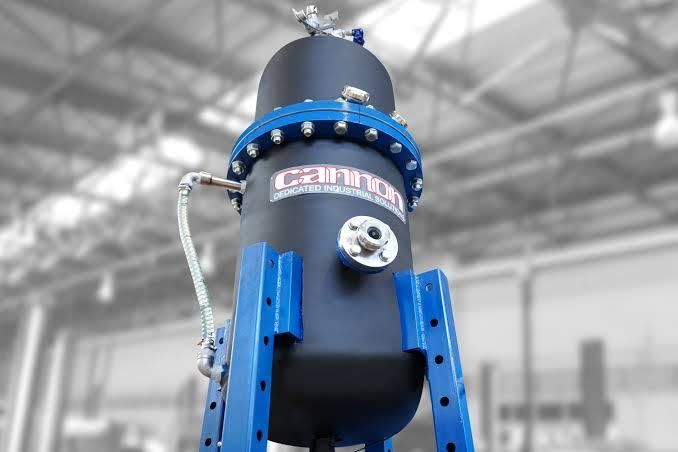
Advanced vacuum degassing equipment can incorporate improved pressure control, liquid distribution, and monitoring methods. Industrial vacuum deaeration systems may use vacuum vessels, spray nozzles, packed columns, or other arrangements to increase contact between the liquid and the gas-removal environment.
The appropriate configuration depends on the fluid and the required operating conditions. Not every application benefits from the same design, and actual performance must be assessed against process requirements.
Integration with Water Treatment Systems
Advanced industrial water degassing systems are increasingly considered as part of broader water treatment arrangements. These may include filtration, chemical treatment, heating, cooling, and monitoring equipment.
Custom industrial degassing systems and industrial deaerator engineering systems can be designed around particular flow rates, fluid properties, and plant layouts. Integration requires attention to piping, control interfaces, safety requirements, and the treatment stages before and after degassing.
| Degassing method | Operating principle | Common application |
|---|---|---|
| Vacuum degassing | Reduces pressure to encourage gas release | Industrial liquids and process water |
| Thermal deaeration | Uses heat to release dissolved gases | Boiler feedwater |
| Membrane degassing | Allows gases to pass through a suitable membrane | Water treatment and specialized processes |
| Mechanical separation | Separates gas bubbles from liquid | Liquids containing entrained gas |
| Combined treatment | Uses more than one removal method | Processes with specific gas-control requirements |
Tools and Resources
Understanding industrial degassing involves examining the liquid properties, equipment design, and operating requirements. Technical documentation and measurement tools can help explain how these systems function.
Engineering Calculations and Measurement Tools
Process engineers may use pressure calculations, flow-rate measurements, temperature data, and dissolved oxygen measurements to evaluate degassing conditions. Gas solubility references can help explain how temperature and pressure influence the amount of gas that remains dissolved in a liquid.
Useful resources include:
Dissolved oxygen meters for measuring oxygen concentration in water.
Pressure and temperature instruments for monitoring operating conditions.
Flow meters for determining liquid throughput.
Engineering calculation worksheets for estimating flow and vessel requirements.
Process diagrams for documenting equipment connections and control sequences.
These instruments provide different types of information, so their measurements must be interpreted according to the application and the instrument's specifications.
Standards and Technical Documentation
Technical references from organizations such as the American Society of Mechanical Engineers (ASME) and the American Water Works Association (AWWA) provide information relevant to pressure equipment, water treatment, and industrial system design. Applicable requirements depend on the equipment type, location, and intended use.
Equipment manuals, process flow diagrams, operating procedures, and maintenance records are also important resources. They help document system limits, inspection requirements, and expected operating conditions.
FAQs
What are industrial degassing systems used for?
Industrial degassing systems remove dissolved gases or entrained air from liquids. Applications include boiler feedwater treatment, industrial water processing, chemical production, and manufacturing processes where unwanted gases affect product quality or equipment operation.
How do industrial vacuum degassers remove dissolved gases?
Industrial vacuum degassers lower the pressure around a liquid, encouraging dissolved gases to escape. The released gases are then removed from the vessel, often through a vacuum system, while the treated liquid continues through the process.
What is the difference between vacuum degassing systems and thermal deaerator systems?
Vacuum degassing systems use reduced pressure to promote gas release. Thermal deaerator systems generally heat water to encourage dissolved gases to separate before they are vented or otherwise removed.
Why are boiler feedwater degassing systems important?
Boiler feedwater degassing systems reduce dissolved oxygen and other relevant gases that can contribute to corrosion. They form part of a broader water chemistry and equipment protection program.
How is industrial degasser equipment selected?
Selection depends on the liquid composition, gas concentration, flow rate, operating temperature, pressure, required removal level, and available installation space. Equipment compatibility, control requirements, maintenance access, and applicable safety standards are also relevant.
Conclusion
Industrial degassing is an important process for removing unwanted dissolved gases and entrained air from industrial liquids. Vacuum degassing systems, thermal deaerator systems, and other gas removal technologies address different operating requirements across manufacturing, water treatment, and power generation. Modern equipment increasingly incorporates automated controls and improved process monitoring, although performance remains dependent on correct design and operation. Understanding the liquid properties, gas-removal objectives, and operating conditions provides a foundation for understanding industrial degasser applications.