Technology has become a central part of modern education. From online classes and assignments to research and collaboration, students rely heavily on digital devices to support their learning.
Technology has become a central part of modern education. From online classes and assignments to research and collaboration, students rely heavily on digital devices to support their learning. Choosing the right hardware is not just about buying a laptop or computer—it involves understanding the specific requirements based on academic needs, subject areas, and long-term usage. Whether a student is in school, college, or a specialized program, having the right hardware can improve productivity, reduce technical issues, and enhance the overall learning experience. This guide explains the key considerations, types of devices, and practical tips to help make informed decisions, especially for those exploring options like a laptop to study or comparing laptop specs for university students.
Why Hardware Matters in Student Learning
Hardware acts as the foundation for all digital learning activities. A device that performs well can support multitasking, video classes, and advanced applications without interruptions. On the other hand, underperforming hardware can slow down learning and create unnecessary frustration.
Educational environments today require devices that can handle multiple tasks simultaneously, including video conferencing, content creation, and collaboration tools. As students progress, their hardware needs often increase, especially in fields like engineering, design, or data science. This is why many learners research options such as the best laptop to study computer science or best computers for cyber security students.
Benefits and Limitations
Benefits
Supports online learning, research, and assignments
Enables multitasking with multiple applications
Improves efficiency and productivity
Allows access to modern educational tools
Enhances collaboration through video and communication platforms
Limitations
High-quality devices can be expensive
Hardware may become outdated over time
Performance depends on proper maintenance
Not all devices support specialized software
Requires reliable internet connectivity for full use
Types and Categories of Student Hardware
1. Laptops
Laptops are the most common choice due to portability and versatility. They support a wide range of academic tasks, from basic assignments to advanced software. Many students compare options such as best laptops for engineering professionals or best gaming laptops for engineering students when high performance is required.
2. Desktops
Desktops offer higher performance and upgrade options, making them suitable for students in technical or design-heavy fields.
3. Tablets and 2-in-1 Devices
These devices are lightweight and useful for note-taking, reading, and basic tasks, though they may not support all advanced applications.
4. Chromebooks
Chromebooks are affordable and suitable for basic learning tasks such as browsing and document editing, but they may not support specialized software.
5. Specialized Workstations
Used by students in fields like engineering, animation, or data science, these systems offer higher processing power and graphics capabilities.
Comparison Table: Device Types
Device Type | Portability | Performance | Best Use Case | Cost Level |
Laptop | High | Medium-High | General learning, multitasking | Medium |
Desktop | Low | High | Technical and heavy applications | Medium-High |
Tablet/2-in-1 | Very High | Low-Medium | Note-taking, reading | Low-Medium |
Chromebook | High | Low-Medium | Basic academic tasks | Low |
Workstation | Low | Very High | Advanced technical programs | High |
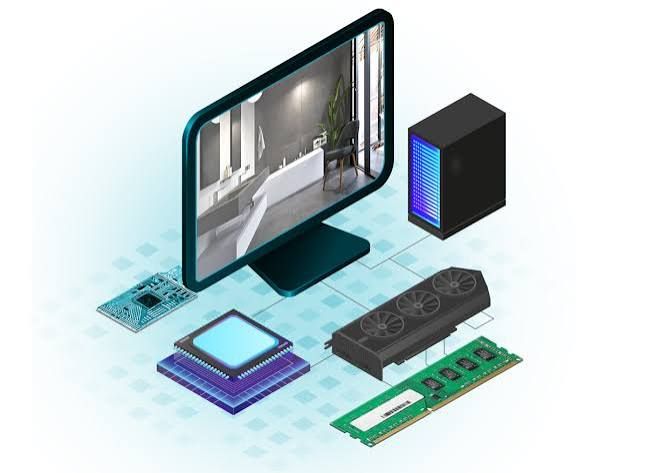
Key Hardware Specifications to Consider
When selecting a device, understanding hardware specifications is essential.
Processor (CPU)
The processor determines how fast a device can perform tasks. A mid-range or higher processor is generally recommended for smooth performance in most academic tasks.
RAM (Memory)
RAM affects multitasking.
8 GB: Basic tasks
16 GB: Recommended for most students
32 GB+: Advanced applications
Storage
Solid State Drives (SSD) are preferred due to faster performance and durability compared to traditional hard drives.
Graphics (GPU)
Integrated graphics: Suitable for general tasks
Dedicated GPU: Needed for design, video editing, or 3D applications
Battery Life
Long battery life is important for students who attend classes or study in different locations.
Connectivity
Reliable Wi-Fi, Bluetooth, and necessary ports ensure smooth use of accessories and internet-based learning tools.
These specifications are often included when reviewing laptop specs for university students to ensure compatibility with coursework.
Latest Trends and Innovations
Technology in education is continuously evolving:
Cloud-based learning reduces dependence on high-end hardware
AI-powered tools assist with research, writing, and problem-solving
Hybrid learning environments combine online and in-person education
Lightweight and durable devices are designed for portability and daily use
Some institutions now offer online classes that provide laptops, helping students access required hardware
These trends are shaping how hardware is designed and used in education.
Key Features to Consider
When choosing a device, focus on:
Performance suited to academic needs
Durability for daily use
Compatibility with required software
Display quality for long study sessions
Portability and weight
Security features for data protection
Students often compare devices like the best laptop to study computer science or best computers for cyber security students to match these features with their academic goals.
How to Choose the Right Hardware
Selecting the right device depends on your academic needs and budget.
Selection Checklist
Identify your course requirements
Choose appropriate performance level (basic, intermediate, advanced)
Check software compatibility
Consider portability and battery life
Set a realistic budget
Plan for future upgrades or long-term use
Practical Examples
School students: Basic laptop or Chromebook
College students: Mid-range laptop with balanced performance
Engineering students: High-performance systems such as best laptops for engineering professionals or best gaming laptops for engineering students
Computer science students: Devices optimized as the best laptop to study computer science
Cybersecurity students: Systems comparable to best computers for cyber security students
Remote learners: Devices with strong connectivity and battery life
Tips for Best Use and Maintenance
Usage Tips
Keep software updated
Avoid running too many applications at once
Use cloud storage for backups
Maintain proper ventilation during use
Maintenance Tips
Clean the device regularly
Protect it with a case or cover
Monitor battery health
Update hardware components when possible
Regular maintenance helps extend the life of the device and maintain performance.
FAQs
1. What is the minimum hardware requirement for students?
A device with a mid-range processor, 8 GB RAM, and SSD storage is generally sufficient for basic academic tasks.
2. Do all students need high-performance devices?
No, requirements vary by subject. Basic courses need less power, while technical fields require more advanced hardware.
3. Is a laptop better than a desktop for students?
Laptops are usually preferred due to portability, but desktops offer better performance for specialized tasks.
4. How long should a student device last?
A well-chosen device can last 3–5 years, depending on usage and maintenance.
5. Can students use tablets for learning?
Tablets are useful for basic tasks, but they may not replace laptops for advanced coursework.
Conclusion
Choosing the right hardware for student learning is an important decision that impacts productivity, efficiency, and overall educational success. By understanding the different types of devices, key specifications, and future requirements, students can select hardware that supports both current and long-term learning goals.
A balanced approach—considering performance, cost, and usability—ensures that the chosen device remains reliable and effective throughout the learning journey.