Industrial tools manufacturing involves the design, development, and production of tools used in factories, workshops, construction, maintenance, and other industrial activities.
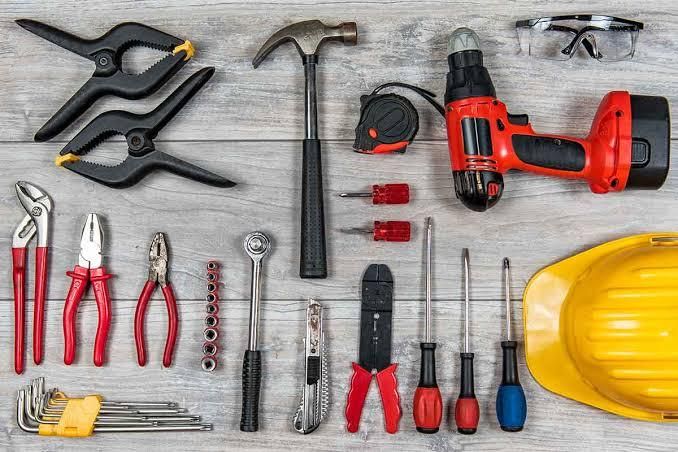
These tools include cutting instruments, drilling equipment, grinding tools, measuring devices, forming tools, and specialized machinery components. They help shape, process, assemble, and inspect materials such as metals, plastics, and composites.
The development of industrial tools began with basic hand-operated equipment and gradually expanded through mechanical machinery, electrical systems, and computer-controlled production methods. As manufacturing processes became more complex, the need for tools with consistent dimensions, suitable strength, and specific operating characteristics increased.
Today, Industrial Machine Tool Manufacturers use a range of production methods, including computer numerical control (CNC) machining, precision grinding, heat treatment, and automated inspection. These methods support the production of tools used across different industries, including automotive manufacturing, aerospace, electronics, construction, and general engineering.
Types of Industrial Tools
Industrial tools can be grouped according to their purpose and operating method.
Cutting tools: Used to remove material from a workpiece through drilling, milling, turning, or cutting.
Metalworking tools: Used for shaping, forming, bending, punching, or finishing metal components.
Measuring tools: Used to check dimensions, alignment, surface characteristics, and other physical properties.
Assembly tools: Used to join components through fastening, pressing, or other mechanical processes.
Specialized tools: Designed for particular production activities, materials, or operating conditions.
Industrial Metalworking Tools are particularly important in industries where metal components must meet defined dimensional and structural requirements.
The Industrial Tool Production Process
Industrial tool production generally begins with a design specification. Engineers identify the tool's intended purpose, material requirements, operating conditions, and dimensional characteristics.
The design is then translated into manufacturing instructions. Depending on the tool, production may involve cutting raw material, machining its shape, heat treatment, surface finishing, and inspection.
Importance
Industrial tools play an important role in modern manufacturing because many production activities depend on accurate and repeatable operations. Tools influence how materials are shaped, how components fit together, and how equipment performs during regular operation.
The quality and condition of industrial tools can affect production consistency, equipment reliability, and workplace safety. For example, a worn cutting tool may produce uneven surfaces, while an incorrectly sized measuring tool may cause errors during inspection.
Supporting Manufacturing Industries
Industrial tools are used in many sectors, including:
Automotive production, where tools shape and assemble vehicle components.
Aerospace manufacturing, where specialized tools support precision machining and assembly.
Construction, where industrial equipment supports cutting, drilling, and fastening.
Electronics manufacturing, where small tools assist with component processing.
General engineering, where tools support machining, testing, and maintenance.
These industries have different requirements regarding material properties, dimensional accuracy, operating conditions, and production volume.
Industrial Tool Engineering and Design
Industrial Tool Engineering Services involve technical activities related to tool design, material selection, manufacturing planning, and performance evaluation. Engineers consider factors such as tool geometry, hardness, expected operating loads, and compatibility with the equipment in which the tool will be used.
Industrial Tool Prototyping Services may be used to produce an initial version of a tool before regular production begins. A prototype can help engineers examine its dimensions, usability, fit, and operation under controlled conditions.
Production Challenges
Tool manufacturers must manage several technical challenges during production. These include material variation, machining accuracy, thermal effects, surface finish, and tool wear.
Manufacturing also involves coordination between design, production, inspection, and maintenance teams. When specifications are unclear or production processes are poorly documented, errors can occur at different stages.
Recent Updates
Modern industrial tool manufacturing is increasingly shaped by digital design, automation, advanced materials, and data-based quality monitoring. These developments are changing how manufacturers plan production, operate machinery, and examine finished tools.
Industrial Tool Manufacturing Automation
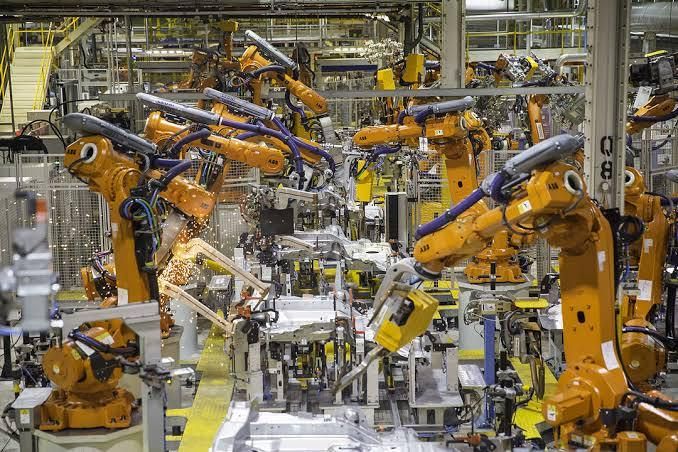
Industrial Tool Manufacturing Automation involves using programmable machines, robotic systems, and automated material handling equipment to perform manufacturing activities.
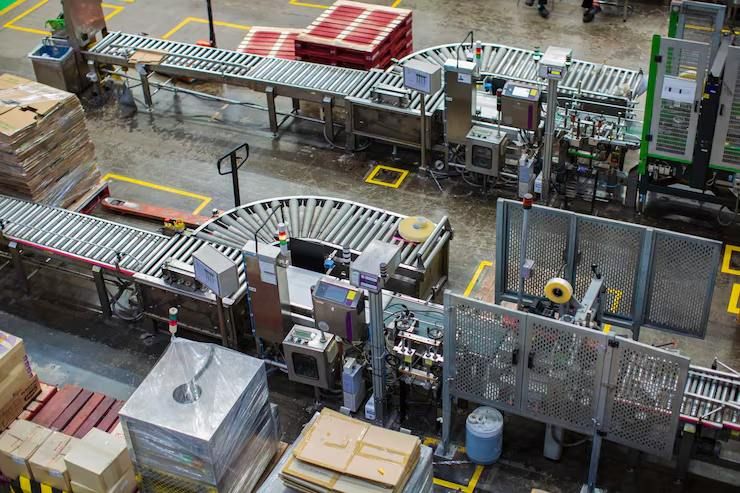
CNC machines can follow digital instructions to produce complex tool shapes. Automated handling systems may move components between machining, finishing, and inspection stations.
Automation does not remove the need for human oversight. Operators and engineers remain responsible for reviewing production conditions, maintaining equipment, and verifying that manufactured tools meet the required specifications.
Digital Design and Manufacturing Software
Industrial Tool Manufacturing Software supports different stages of production, including computer-aided design (CAD), computer-aided manufacturing (CAM), production planning, and quality documentation.
Digital models can help engineers examine tool geometry before physical production. Manufacturing software can also convert design information into machine instructions, depending on the equipment and production workflow.
Modern Materials and Manufacturing Methods
Manufacturers use different tool materials depending on the intended application. These may include tool steel, carbide, ceramic materials, and specialized alloys.
Some production environments also use additive manufacturing to create prototypes or selected tool components. This method builds parts in layers and can support shapes that are difficult to produce through conventional machining.
Current Manufacturing Trends
| Production area | Modern method | Main purpose |
|---|---|---|
| Tool design | CAD software | Create and examine digital designs |
| Machining | CNC equipment | Produce defined shapes and dimensions |
| Material processing | Heat treatment | Modify material properties |
| Surface finishing | Grinding and coating | Improve surface characteristics |
| Inspection | Digital measurement | Verify dimensions and specifications |
| Production handling | Robotic automation | Coordinate material movement |
Tools and Resources
Several tools and technical resources support industrial tool manufacturing. Their relevance depends on the type of tool, manufacturing process, and production environment.
Industrial Tool Manufacturing Machinery
Industrial Tool Manufacturing Plant Equipment may include CNC machining centers, lathes, milling machines, grinding machines, drilling equipment, heat treatment furnaces, and surface finishing systems.
The selection of machinery depends on the materials being processed, tool dimensions, production volume, and required accuracy. Industrial Tool Manufacturing Machinery Price can vary according to machine capability, configuration, automation, and other specifications.
Quality Testing and Measurement
Industrial Tool Quality Testing Equipment helps examine whether tools meet defined requirements.
Examples include:
Coordinate measuring machines for dimensional inspection.
Hardness testers for measuring material hardness.
Surface roughness instruments for examining surface finish.
Optical measurement systems for checking tool geometry.
Calibration equipment for verifying measurement accuracy.
Inspection methods depend on the tool design and its intended use. Testing results are generally recorded to support quality documentation and traceability.
Engineering and Planning Resources
Industrial Tool Manufacturing Consulting may involve technical guidance on production planning, equipment selection, process development, or manufacturing workflow analysis.
Other useful resources include CAD and CAM software, machine manuals, material specifications, engineering drawings, and quality management documentation.
These resources help explain how a tool is designed, manufactured, measured, and maintained throughout its production lifecycle.
FAQs
What do Industrial Machine Tool Manufacturers produce?
Industrial Machine Tool Manufacturers produce equipment and machinery used to manufacture, shape, cut, and finish materials. Their products may include machining equipment, specialized production machines, and tools used in industrial operations.
What are Industrial Metalworking Tools?
Industrial Metalworking Tools are tools used to cut, shape, form, or finish metal materials. Examples include milling cutters, drill bits, dies, punches, and grinding tools.
How does Industrial Tool Manufacturing Automation work?
Industrial Tool Manufacturing Automation uses programmable machines, control systems, and automated handling equipment to perform selected production tasks. Operators monitor the equipment and check whether the output meets manufacturing specifications.
Why is Industrial Tool Quality Testing Equipment important?
Industrial Tool Quality Testing Equipment helps verify dimensions, material properties, surface characteristics, and other requirements. Inspection supports consistent production and helps identify defects before tools are used.
What does Industrial Tool Engineering Services involve?
Industrial Tool Engineering Services involve technical work related to tool design, material selection, prototyping, production planning, and testing. These activities help translate a manufacturing requirement into a defined tool design and production process.
Conclusion
Industrial tools manufacturing combines engineering, material science, machinery, and quality inspection to produce tools used across many industries. Modern production methods include CNC machining, digital design, automation, advanced materials, and measurement technologies. Manufacturing processes vary according to the tool's intended use, material, dimensions, and operating requirements. Understanding these methods provides a general overview of how industrial tools are designed, produced, and evaluated.